



Generic Sterile Injectable Market Size, Production Capacity, Healthcare Infrastructure Growth, Product Utilization, Regulatory Compliance, Sales Analysis, and Investment Trends
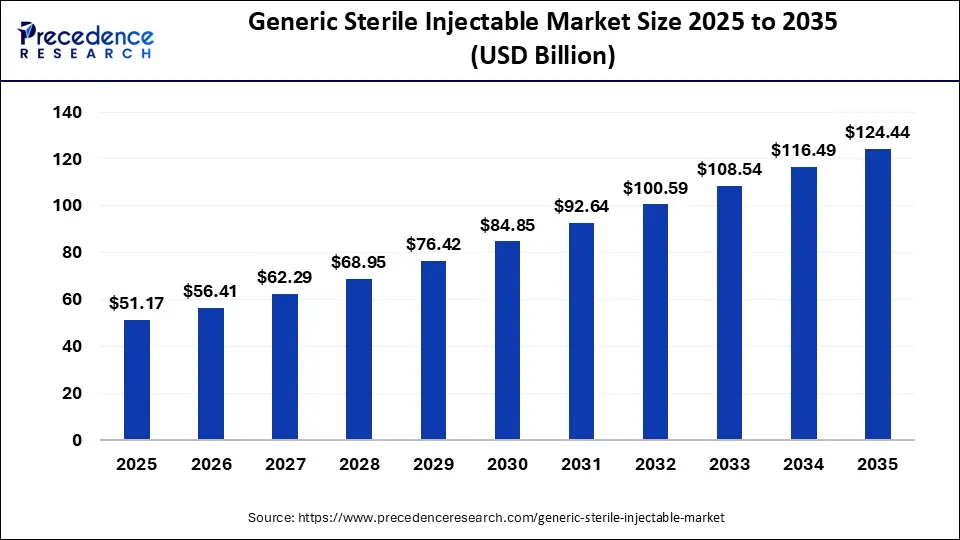
The global generic sterile injectable market is projected to grow from USD 51.17 billion in 2025 to USD 124.44 billion by 2035, registering a CAGR of 9.29%. Growth is driven by rising demand for cost-effective biologics, oncology drugs, biosimilars, and complex generics, along with increasing chronic disease prevalence, advancements in prefilled syringes and drug delivery systems, and AI-enabled manufacturing and supply chain optimization. North America dominates the market due to strong regulatory support, high demand for biosimilars, and advanced pharmaceutical infrastructure, while Asia Pacific is expected to witness the fastest growth, supported by expanding manufacturing capabilities, government healthcare initiatives, and increasing investments in complex sterile formulations.
Source: https://www.precedenceresearch.com/generic-sterile-injectable-market
 Get a Sample
 Table Of Content


What is the Generic Sterile Injectable Market Size?
The global generic sterile injectable market size was estimated at USD 51.17 billion in 2025 and it is expected to hit around USD 124.44 billion by 2035, growing at a CAGR of 9.29% during the forecast period 2026 to 2035. The surging demand for cost-effective biologics, oncology drugs, biosimilars, and complex generics is boosting the growth of generic sterile injectables.
Key Takeaways
- Asia Pacific is expected to grow at the fastest rate during the forecast period.
- By Drug type, the vaccines segment is expected to grow at the fastest rate in the market during the forecast period of 2026 to 2035.
- By therapeutic application, the diabetes segment is projected to experience the highest growth rate in the market between 2026 and 2035.
- By distribution channel, the retail pharmacies segment is set to experience the fastest rate of market growth from 2026 to 2035.
Market Overview
What is the Generic Sterile Injectable?
The sterile injectables play an important role in the global healthcare system and patient care. These injectable drugs are needed for managing chronic conditions and treating life-threatening diseases. They must meet strict standards to ensure their safety and sterility for administration. With the evolving global healthcare system, the demand for sterile injectables is growing. The more efficient manufacturing processes and improved quality of sterile injectable products are introduced by innovations in technology.
The role of AI in the generic sterile injectable market:
Artificial intelligence (AI) is increasingly playing a transformative role in the generic sterile injectable market by enhancing precision, efficiency, and compliance across the manufacturing and distribution lifecycle. In production, AI systems are used to monitor sterile environments in real time, analysing vast sensor data to detect anomalies, predict equipment failures, and assure batch consistency, minimizing human error and reducing downtime. In formulation development, machine learning models accelerate optimization of drug stability and delivery systems, cutting development timelines significantly. AI is also revolutionizing supply chain logistics, especially for cold chain-dependent injectables like vaccines and biologics, by predicting demand, managing inventory, and assuring temperature integrity throughout transit.
Furthermore, generative AI tools are assisting operators by generating reports, summarizing deviations, and streamlining documentation. As regulatory bodies begin to embrace AI-based quality systems, the technology is enabling manufacturers to produce high-quality, affordable injectables faster and at scale, ultimately expanding access to critical therapies worldwide.
What are the Major Growth Factors in the Generic Sterile Injectable Market?
- The innovations in delivery formats, such as prefilled syringes, the rising demand for biologics, and aging populations reduce dosing errors, enhance safety, and improve patient convenience.
- Sterile injectables are considered essential components of modern healthcare, which provide effective treatment options across several medical conditions.
- The manufacturing of sterile injectables adheres to strict regulatory standards and quality to protect patient health.
- The sterile injectables help in the delivery of biological products, including vaccines, cell therapies, and biologics. These biologic drugs hold a rising share of the market, which needs sterile conditions and precise formulation during manufacturing to preserve their effectiveness.
- These injectables have wide applications in the treatment of cancer, severe infections, and HIV/AIDS. They also manage chronic illnesses such as multiple sclerosis, diabetes, and rheumatoid arthritis.
Market Trends
- Increasing cases of cancer, diabetes, and autoimmune disorders are driving demand for cost-effective injectable treatments.
- The market is witnessing rapid growth in biosimilar sterile injectables, especially as patents for blockbuster biologics expire.
- Prefilled syringes, auto-injectors, and pen devices are boosting retail pharmacy sales and enabling at-home care.
- More pharma companies are outsourcing sterile injectable production to CDMOs to meet regulatory standards and reduce costs.
- Asia Pacific, Latin America, and parts of Africa are becoming hotspots for generic injectable expansion due to growing healthcare access.
- Smart manufacturing using AI and robotics is improving batch consistency, real-time monitoring, and operational efficiency.
- Key players are engaging in partnerships and acquisitions to expand injectable portfolios and enter new markets.
Future of Global Generic Sterile Injectable Market
There have been a large many strategic acquisitions in the generic injectable market during the historic period of time. The acquisitions were motivated by the necessity to acquire a product portfolio, production capabilities from current injectable companies in order to consolidate share of the market or accelerate entrance into the lucrative sterile injectable market. Further, growing need for the target product is encouraging new industry players to enter in this competitive industry.
Market Outlook
- Industry Growth Overview: The generic sterile injectable market growth is tagged by its affordability and accessibility. The rising emergency and infection conditions are bolstering the hospital distribution game, which leads to a heavy supply chain pattern. This fuels the manufacturing site for the injectables. Following this, the research and development activities promote the market's advanced trends and innovations, adhering to the healthcare leaders' robust portfolio engagements. The small molecule injectables are gaining traction in the market.
- Startup Ecosystem: Startup businesses are growing, with the crucial generics space requiring tech and process integration in high demand. The personalized and advanced medical structures are promoting tech-driven startup businesses. In high-demand and emergency cases, the high-volume supply chain and logistics are also preferred businesses. The ready-to-use products and specializations are confirming more startup ideas in the market opportunities. The complex formulation stage highlights the need for expertise.
- Global Expansion: The generic suppliers are at the heart of the market business and expansion. The recent oncology field is experiencing major transformation in complex therapies and medication management. The therapeutics sector undergoes accuracy that has to meet medication affordability for the low-income population. Following this and the increase in oncology cases, the market ensures heavy business opportunity.
Market Scope
| Report Highlights | Details |
| Market Size by 2035 | USD 124.44 Billion |
| Market Size in 2026 | USD 56.41 Billion |
| Market Size in 2025 | USD 51.17 Billion |
| Growth Rate | CAGR of 9.29% From 2026 to 2035 |
| Base Year | 2025 |
| Forecast Period | 2026 to 2035 |
| Segments Covered | Product, Therapeutic Application, Distribution Channel, Region |
| Regional Scope | North America, Europe, Asia Pacific, Latin America, Middle East & Africa (MEA) |
Market Dynamics
Drivers
A key force behind market growth is the worldwide surge in chronic diseases such as diabetes, cancer, cardiovascular disorders, and autoimmune conditions. These conditions require long-term, often injectable treatment, and their increasing incidence, driven by aging populations, sedentary lifestyles, and unhealthy diets, is steadily boosting demand. As more patients require injectable therapies like insulin or oncology drugs, genetic sterile injectables emerge as affordable alternatives to branded versions, supporting broader access and long-term treatment continuity.
The expiration of patents on high-value biologic injectables has opened the door for biosimilar and generic sterile injectable versions. When blockbusters like monoclonal antibodies also have exclusivity, multiple manufacturers can enter with lower-cost versions. This trend is already reshaping the market broader uptake of biosimilar (e.g., trastuzumab, rituximab) and is enabling wider vaccine and immune therapy availability through cost-effective sterile injectable formats.
Restraints
Complex Manufacturing Processes
Generic sterile injectables are made using intricate and strictly regulated manufacturing procedures that guarantee product efficacy, safety, and quality. Microbiological contamination must not be present in sterile injectable goods. To ensure sterility, techniques like autoclaving, filtration, and aseptic processing are employed. In order to prevent product contamination, aseptic processing entails keeping a sterile.
atmosphere throughout the production process. The sterile drug product is filled into vials, syringes, or other containers in this process, and they are sealed under sterile circumstances. Throughout the manufacturing process, quality control is included to guarantee that the finished product satisfies the necessary quality standards. This entails checking the purity, potency, sterility, and other quality features of raw materials, in-process samples, and completed goods.
Opportunity
With key patents on blockbuster GLP-1 injectable therapies like semaglutide (used in diabetes and weight loss treatments) expiring in major markets, there is a significant opportunity for generic sterile injectable manufacturers. Companies in India and Brazil are preparing to launch semaglutide generics as early as 2026, which could lead to dramatic price reduction of up to 80% compared to branded options, broadening patient access globally. For example, Hypera in Brazil and Eris Lifesciences in India aim to capitalize on this wave and build robust branded portfolios around these high-demand therapeutics. The expanding generic access to semaglutide and similar molecules presents a high growth opportunity within the sterile injectable space.
Emerging markets, especially in Asia Pacific, Latin America, the Middle East, and Africa, are rapidly expanding in healthcare infrastructure, driven by rising chronic disease prevalence and increasing public health spending. Indian pharmaceutical leadership in generic and vaccine manufacturing (accounting for more than 60% of global vaccine volume) offers an opportunity to scale distribution and penetration globally. Furthermore, the development of biosimilars such as trastuzumab and rituximab created a major growth avenue, especially in regions where branded biologics remain unaffordable. Indian and global manufacturers are actively investing in research and development to bring these biosimilars to market, signalling a widening opportunity in complex sterile injectable over the next few years.
Segmental Insights
Drug Type Insights
How does the Antibiotics Segment Dominate the Generic Sterile Injectable Market in 2025?
The antibiotics segment dominated the market in 2025, owing to their importance as one of the most important medical innovations in modern healthcare. They have reduced mortality rates and transformed the treatment of bacterial infections. There is an immense role for quality antibiotic manufacturing and heavy reliance on affordable medicines.
The vaccines segment is expected to grow at the fastest CAGR in the market during the forecast period due to the heavy integration of complex large-molecule biologics, including vaccines. Governments and healthcare networks are scaling up immunization programs to fight against emerging infectious diseases. The surging demand for vaccines has accelerated the adoption of advanced technologies and industry-wide adoption of cutting-edge aseptic processing.
Generic Sterile Injectable Market By Drug Type, 2023-2025 (USD Million)
| Drug Type | 2023 | 2024 | 2025 |
| Monoclonal Antibodies | 14,396.2 | 15,921.4 |
17,643.8
|
| Cytokines | 1,882.0 | 2,077.3 |
2,297.2
|
| Insulin | 6,951.4 | 7,624.4 |
8,377.7
|
| Peptide Hormones | 2,022.3 | 2,202.5 |
2,402.8
|
| Vaccines | 5,173.8 | 5,653.7 |
6,188.9
|
| Immunoglobulin | 1,069.6 | 1,157.4 |
1,254.3
|
| Blood Factors | 1,395.5 | 1,511.9 |
1,640.7
|
| Peptide Antibiotics | 553.1 | 599.9 |
651.8
|
| Others | 8,948.1 | 9,786.5 | 10,722.60 |
Therapeutic Application Insights
What made Cancer the Dominant Segment in the Generic Sterile Injectable Market in 2025?
The cancer segment dominated the market in 2025, owing to the need for oncology-specific regulatory frameworks, branded target therapies, and affordable generic chemotherapy agents and biosimilar infusions. They make routine cancer care scalable, accessible, and functional across both developing and developed healthcare systems. The generic drugs are prioritized by public hospital networks and pediatric oncology regimens.
The diabetes segment is estimated to grow at the fastest rate in the market during the predicted timeframe due to the presence of major generic global manufacturers such as Aurobindo, Hikma, and Lupin. They have rapidly scaled up their sterile production lines. There is an immense demand for weight-loss drugs and dual-benefit diabetes drugs.
Generic Sterile Injectable Market By Therapeutic Application, 2023-2025 (USD Million)
| Therapeutic Application | 2023 | 2024 | 2025 |
| Cancer | 10,872.4 | 12,059.6 |
13,404.0
|
| Diabetes | 7,428.8 | 8,173.0 |
9,008.4
|
| Cardiovascular Disease | 5,885.0 | 6,413.5 ? |
7,001.5
|
| Central Nervous System | 3,445.0 | 3,740.7 ? |
4,068.5
|
| Infectious Disorders | 3,739.5 | 4,074.2 ? |
4,446.3
|
| Musculoskeletal System | 3,283.9 | 3,604.2 |
3,962.9
|
| Others | 7,737.5 | 8,470.0 ? |
9,288.3
|
Distribution Channel Insights
How did the Hospital Pharmacies Segment Dominate the Generic Sterile Injectable Market in 2025?
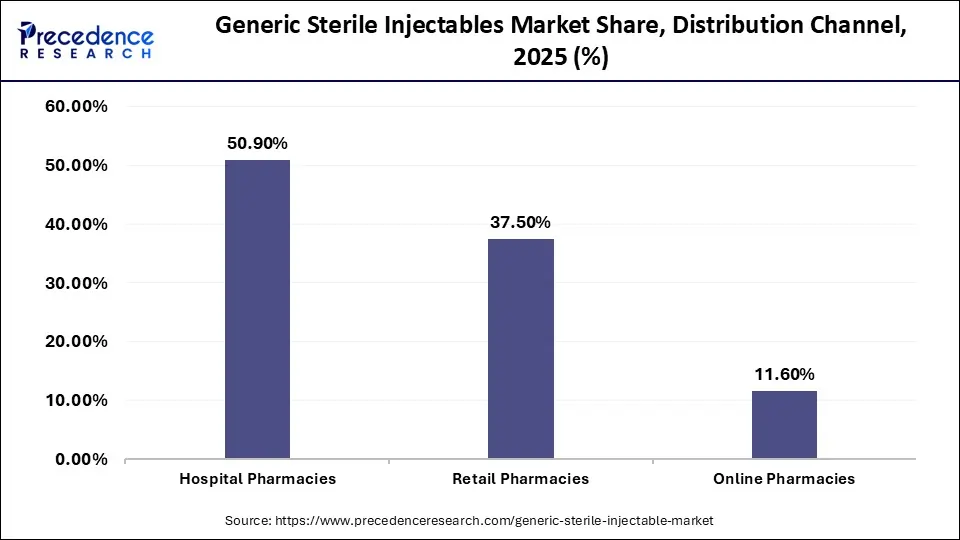
The hospital pharmacies segment dominated the market in 2025, owing to the need for hospitals to cut inpatient operational costs and set up inpatient infrastructure. They are procuring more prefilled syringes because they reduce preparation and dosing errors. The heavy capital investments, stringent regulatory compliance, and specialized aseptic filling are managing critical drug shortages and supply chain risks.
The retail pharmacies segment is anticipated to grow at the fastest rate in the market during the upcoming period due to advancements in easy-to-use delivery devices, a massive wave of patent expirations, and a rise in chronic illnesses. Retail pharmacies are rapidly expanding their cold-chain infrastructure. There is a wide adoption of user-friendly formats such as prefilled syringes, insulin pens, and autoinjectors.
Generic Sterile Injectable Market By Distribution Channel, 2023-2025 (USD Million)
| Distribution Channel | 2023 | 2024 | 2025 |
| Hospital Pharmacies | 21,620.7 | 23,703.1 ? |
26,034.3
|
| Retail Pharmacies | 15,771.4 | 17,370.9 ? |
19,169.0
|
| Online Pharmacies | 5,000.0 | 5,461.0 |
5,976.7
|
Regional Insights
How does North America dominate the Generic Sterile Injectable Market in 2025?
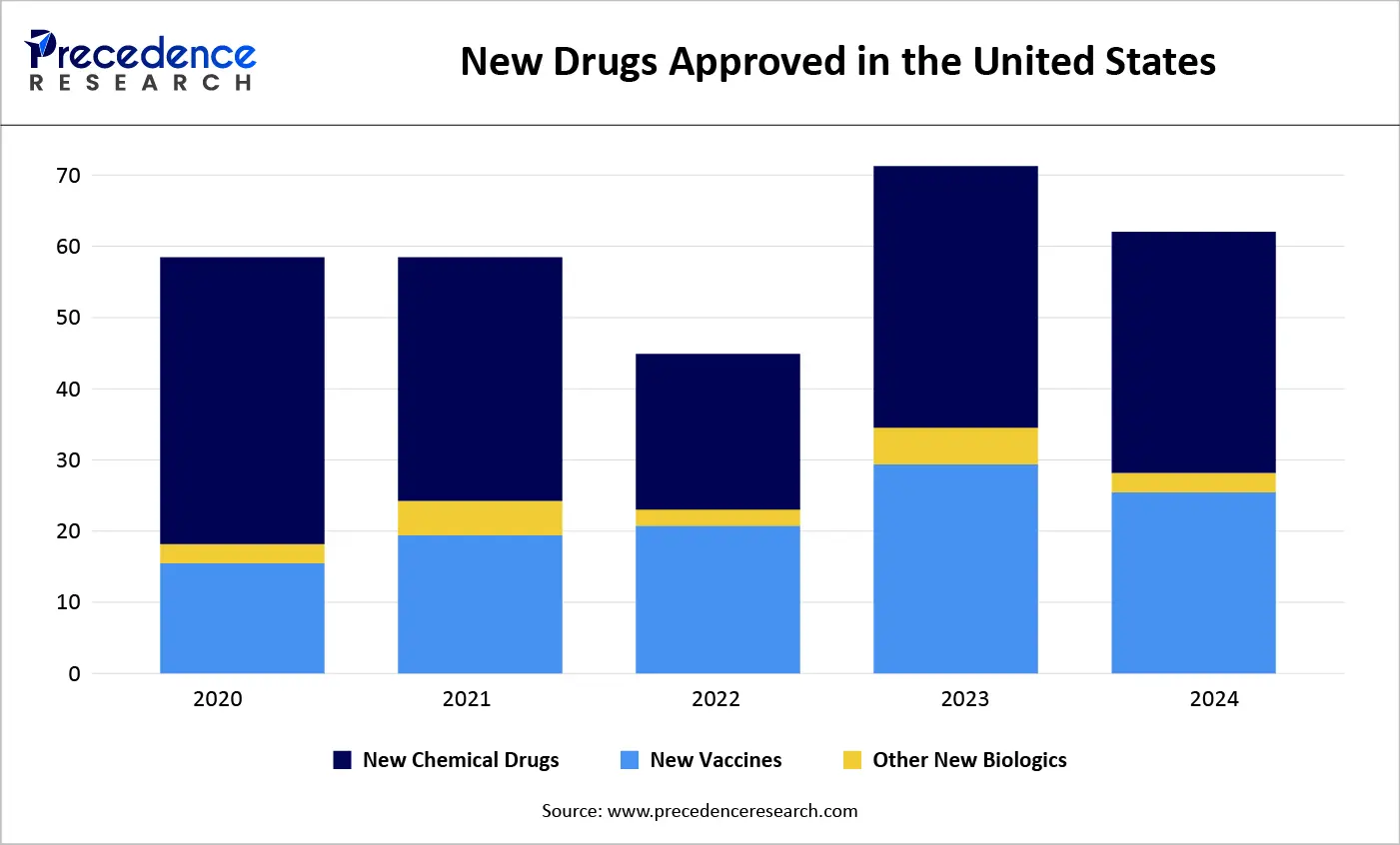
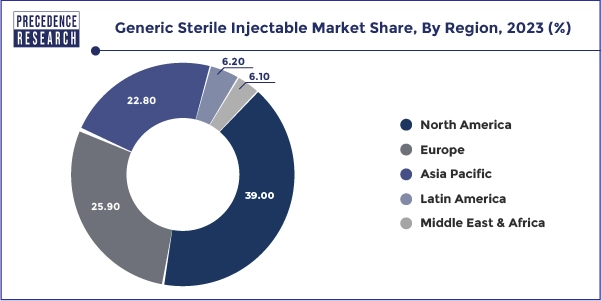
North America dominated the market in 2025, owing to accelerated FDA regulatory guidelines and approvals, huge demand for complex biosimilars and biologics, and regulatory updates from the FDA for generic drug approvals. North American government initiatives aimed to secure the generic sterile injectable supply chain. These efforts are driven by drug shortages, supply vulnerabilities, and policies that focus on domestic reshoring. These include streamlined generic/biosimilar guidelines, targeted FDA pilot programs, and executive actions.
U.S. Generic Sterile Injectable Market Size and Growth 2026 to 2035
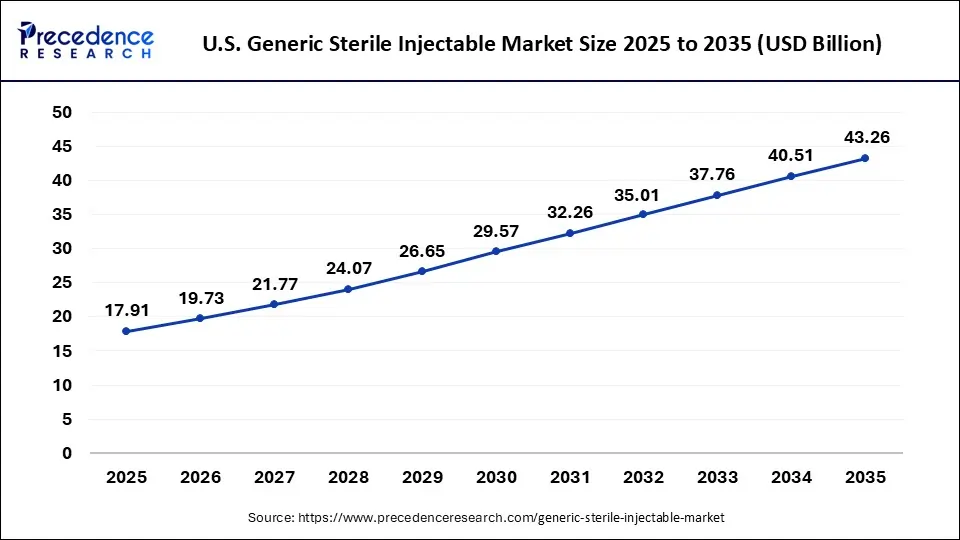
The U.S. generic sterile injectables market size was evaluated at USD 17.91 billion in 2024 and is projected to be worth around USD 43.26 billion by 2035, growing at a CAGR of 9.22% from 2026 to 2035.
How can the Generic Sterile Injectable Market Contribute to the Growth of the U.S.?
The U.S. industry is driven by federal mitigation for critical drug shortages, direct investments in aseptic and modular infrastructure, evolution of delivery formats, and escalating chronic disease prevalence. The U.S. federal initiatives aimed to eliminate critical drug shortages and advance pharmaceutical infrastructure.
What is the Potential of the Generic Sterile Injectable Market in the Asia Pacific?
Asia Pacific is expected to grow at the fastest CAGR in the market during the forecast period due to manufacturing capabilities, global outsourcing, infrastructure expansion, and massive public healthcare campaigns. The government initiatives leverage massive upcoming patent expirations, secure global supply chains, and tackle drug shortages. Asian Pacific countries like Japan are actively addressing rising healthcare costs and local drug shortages. The Indian government is shifting from low-margin oral solids toward complex sterile formulations.
How is the Expansive Reach of the Generic Sterile Injectable Market in India?
India is advancing in the market through surging CDMO and contract manufacturing and a strategic industrial shift toward high-value complex molecules and biosimilars. The Union Budget 2026-2027 is transforming India into a global biopharma hub. Biopharma involves the manufacturing, production, or extraction of therapies through biological organisms like fungi, microbes, or human cells.
Why is Europe considered a significantly growing region in the Generic Sterile Injectable Market?
Europe is expected to grow at a significant rate in the market during the studied period due to significant infrastructure investments in localized sterile manufacturing, advanced manufacturing infrastructure and automation, and the rise of patient-centric formats. The European Union has reached a major agreement that strengthens innovation and competitiveness. The EU pharmaceutical legislation presented new rules that increase access to medicines, streamline procedures, boost innovation, and tackle medicine shortages.
What is the Key Role of the Generic Sterile Injectable Market in Germany?
Germany is growing and expanding in the market due to the biosimilar pipeline, patent expirations, state-of-the-art facilities, advanced delivery formats, and outsourced production. Germany and France aim to strengthen the pharmaceutical industry in Europe by harmonising and speeding up clinical trials, easing the launch of new therapies, strengthening security of supply, incentivising EU-based production, etc.
Which Major Growth Factors Drive the Notable Growth of the Generic Sterile Injectable Market in Latin America?
Latin America is expected to grow at a notable rate in the market during the predicted timeframe, driven by CMO and CDMO infrastructure, regulatory standard upgrades, and the transition to at-home care. Latin America's pharmaceutical ecosystem is strengthened by locally manufactured medicines that are critical for job creation and future health security. It also boosts competition across Latin America and the Caribbean. There is a rising demand for high-quality, locally-produced medicines across Latin America and the Caribbean.
How can the Generic Sterile Injectable Market Expand in Brazil?
Brazil is transitioning toward supply chain localization and outsourcing, reduced import dependency, government procurement strategies, and local infrastructure investments. The Brazilian pharmaceutical industry is driven by the expiry of basic biologic patents and a shift toward complex injectables and peptide synthesis.
How does the Generic Sterile Injectable Market Majorly Impact the Significant Growth of MEA?
MEA is expected to grow significantly in the market in the coming years, propelled by regulatory reforms that streamline licensing for the manufacturing of advanced sterile biologics and fill-finish capacities. This market covers biosimilars, vaccines, oncology drugs, and modern insulin that are administered through parenteral routes. The regulatory policies, reforms, and financial incentives aim to establish self-reliant generic sterile injectable industries and reduce their heavy dependency on imported critical medicines.
What is the Major Footprint of Saudi Arabia in the Generic Sterile Injectable Market?
Saudi Arabia is transforming due to public health initiatives, strategic capital investments, streamlined approvals, and international compliance alignment. The Saudi Food and Drug Authority (SFDA) aims to organize a generic drug conference. It further aims to empower local pharmaceutical manufacturing.
Value Chain Analysis
- Research and Development – The research and development space is an active part of the market for further assessment confirmation for the injectable and drug formulations to enter the responsible medical industries. The advocacy in these industries relies on the research and development part. The medical systems modernization is dictating the needs in this part.
Key Players: Baxter International, Sun Pharmaceutical Industries and Dr Reddy's Laboratories. - Formulation and Final Dosage Preparation – The chemical volume in the dosage binding process and additional advanced components builds high-purity precision into the generic sterile injectables. The compatibility criteria involving the container, accurate aseptic and stabilized innovations are building the market. This responsible analysis decides the future of the injectables.
Key Players: Sandoz Group AG, Hikma Pharmaceuticals PLC and Fresenius Kabi. - Packaging and Serialization – Packaging plays a crucial role in the market since the sustainable trends are promoting clean injectable packaging in the medical line. The rapid use of prefilled syringes is helping the market to retain its position in the healthcare sector. The automated injectors and their heavy packaging are stimulating high-performance businesses in the market.
Key Players: SCHOTT Pharma, Gerresheimer AG and West Pharmaceutical Services.
Competitive Landscape
The generic sterile injectable market is dominated by the global leaders such as Fresenius Kabi, Pfizer Inc., Sandoz AG, Teva Pharmaceutical Industries, Hikma Pharmaceuticals, Viatris Inc., and Baxter International. Moreover, top Asian and Indian leaders include Sun Pharmaceutical Industries, Gland Pharma Limited, Dr. Reddy's Laboratories, Aurobindo Pharma, and CSPC Pharmaceutical Group. The industry is experiencing rapid growth due to the expansion of contract manufacturing organizations (CMOs) and the rising demand for complex biologics and biosimilars.
The core product portfolios of these top companies include anti-infectives, antibiotics, oncology and critical care, anesthesia, intravenous generics, analgesia, oncology vials, biosimilars, critical care staples, injectable anti-infectives, controlled substances, liquid ampoules and vials, lyophilized powders, delivery formats, and lyophilized formulations. The R&D investments upgrade aseptic, automated manufacturing facilities, surge to address chronic global drug shortages, and expand complex biosimilar pipelines.
Generic Sterile Injectable Market Companies
- Fresenius Kabi
- Baxter
- Civica
- Pfizer
- Mylan
- Hikma
- Sandoz
- Teva
- Nichi-Iko
- 3M
- Merck & Co., Inc.
- Others
Recent Developments
- In July 2025, Cronus Pharma launches Butorphic (butorphanol tartrate) sterile injectable solution for equine pain relief, expanding its animal health portfolio to 25 products and enhancing sedative and anesthesia offerings in the U.S. market.
- In November 2025, Par Health completes its spin-off from Mallinckrodt, becoming an independent generic pharmaceuticals and sterile injectables leader with extensive manufacturing capabilities and a broad portfolio to address essential medicine demand.
- In August 2024, Fresenius Kabi launches generic Cetrorelix Acetate for Injection kit, providing a cost-effective fertility medication alternative that blocks premature ovulation during ovarian stimulation.
For the better understanding the recent situation of the global generic sterile injectable market and for most policies of the country, Precedence Research forecast the future evolution of the generic sterile injectable industry. This research study offers qualitative and measureable insights on generic sterile injectable market and valuation of market size and development trends for global market segments.
Segments Covered in the Report
By Drug Type
- Monoclonal Antibodies
- Cytokines
- Insulin
- Peptide Hormones
- Vaccines
- Immunoglobulin
- Blood Factors
- Antibiotics
- Others
By Therapeutic Application
- Cancer
- Diabetes
- Cardiovascular Disease
- Central Nervous System
- Infectious Disorders
- Musculoskeletal System
- Others
By Distribution Channel
- Hospitals Pharmacies
- Online Pharmacies
- Retail Pharmacies
- Others
By Geography
- North America
-
- U.S.
- Canada
-
- Europe
-
- Germany
- France
- United Kingdom
- Rest of Europe
-
- Asia Pacific
-
- China
- Japan
- India
- Southeast Asia
- Rest of Asia Pacific
-
- Latin America
-
- Brazil
- Rest of Latin America
-
- Middle East & Africa (MEA)
-
- GCC
- North Africa
- South Africa
- Rest of Middle East & Africa
-
For inquiries regarding discounts, bulk purchases, or customization requests, please contact us at sales@precedenceresearch.com
Frequently Asked Questions





Ask For Sample
No cookie-cutter, only authentic analysis – take the 1st step to become a Precedence Research client
 Get a Sample
.webp)



 sales@precedenceresearch.com
 Schedule a Meeting
