



Oncology Market Trends, Leading Companies, Company Revenue / Sales Performance, Procedure Volume, Healthcare Spending, Technology Adoption, Reimbursement Analysis, Cost Structure, Market Penetration, and Growth Outlook
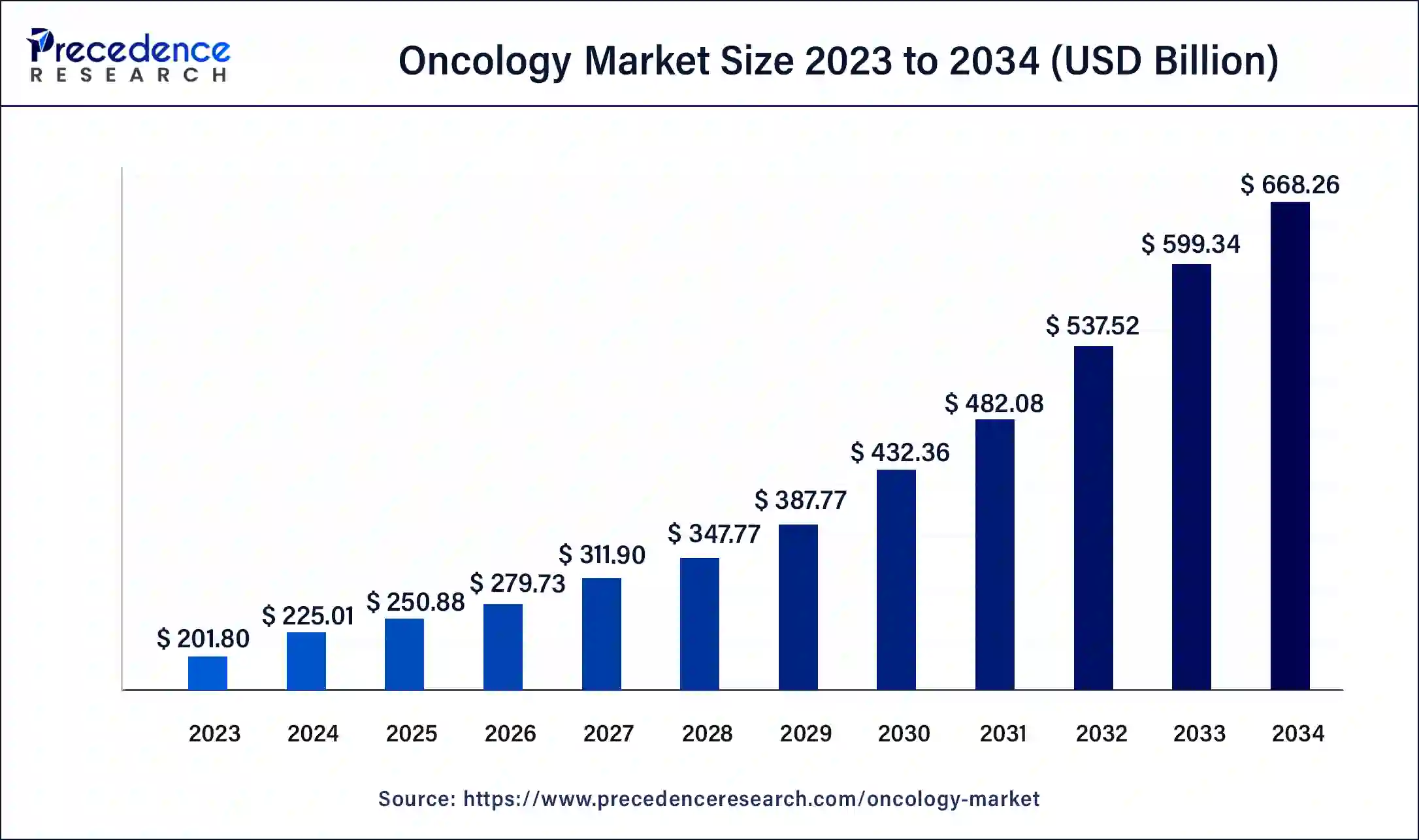
Deepa Pandey, a Healthcare Industry Expert, highlights that the oncology market has reached USD 279.73 billion in 2026 and is on track to reach USD 732.45 billion by 2035, advancing at a CAGR of 11.31%. Key oncology market companies shaping the market include Aegerion Pharmaceuticals Inc., Abbvie Inc., Ability Pharma, while major growth segments span by cancer diagnostics & treatment, by indication, by end-use and region.
Source: https://www.precedenceresearch.com/oncology-market
 Get a Sample
 Table Of Content


What is the Oncology Market Size in 2026?
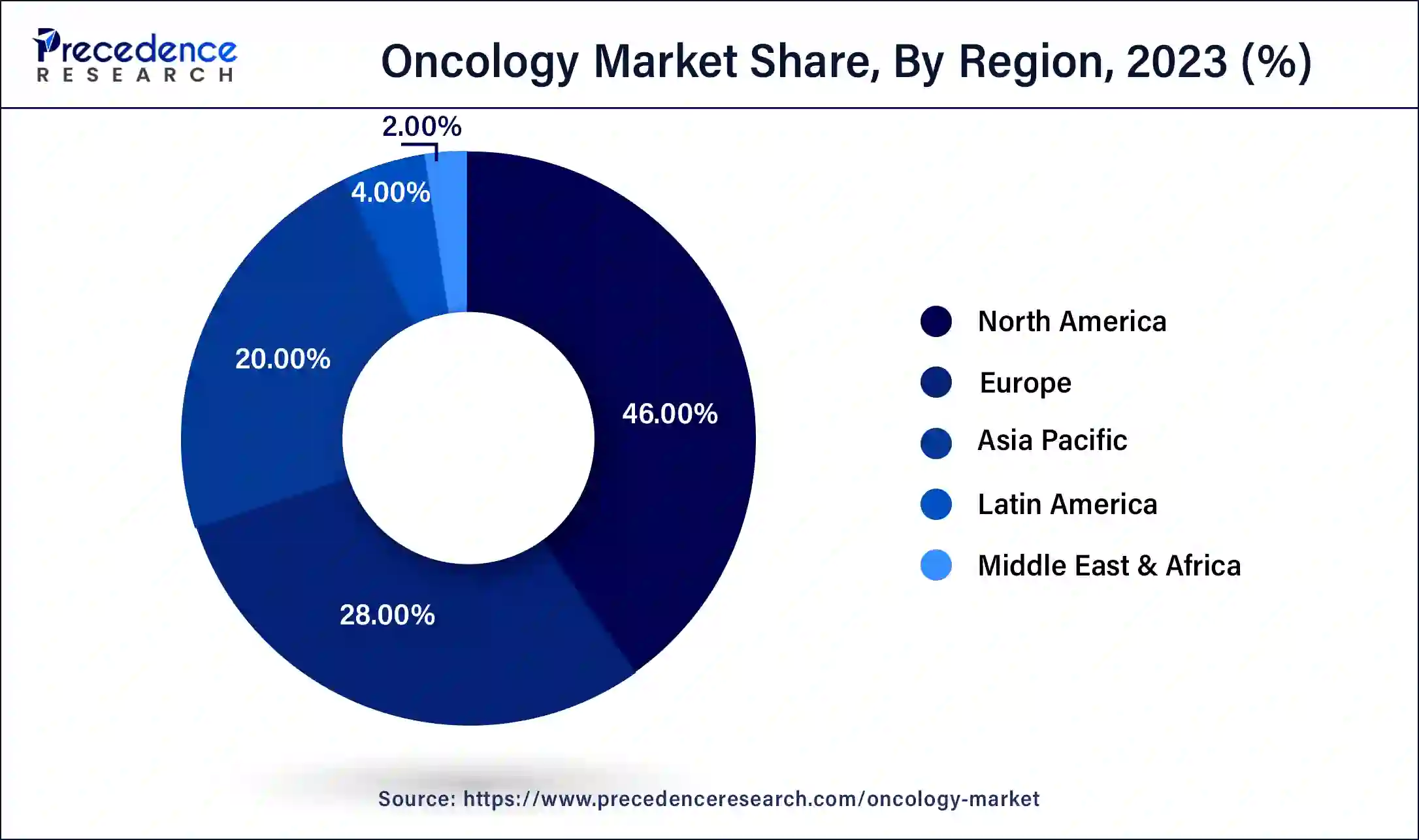
The global oncology market is projected to grow from USD 279.73 billion in 2026 to USD 732.45 billion by 2035, registering a CAGR of 11.31%. Market growth continues to be driven by the rising global cancer burden, increasing adoption of targeted therapies and immunotherapies, and ongoing advancements in cancer diagnostics. Growing investment in biopharmaceutical research and development, along with the integration of artificial intelligence for early detection, precision oncology, and personalized treatment planning, further supports this momentum. North America dominated the market in 2025 with a 46 percent share, supported by advanced healthcare infrastructure and strong adoption of innovative cancer treatment options. Meanwhile, Asia Pacific is expected to witness significant growth, driven by rising cancer prevalence, expanding healthcare infrastructure, increasing research investment, and supportive government initiatives across the region.
Oncology Market Key Takeaways
- The North America region has reached 46% of the total market share in 2025.
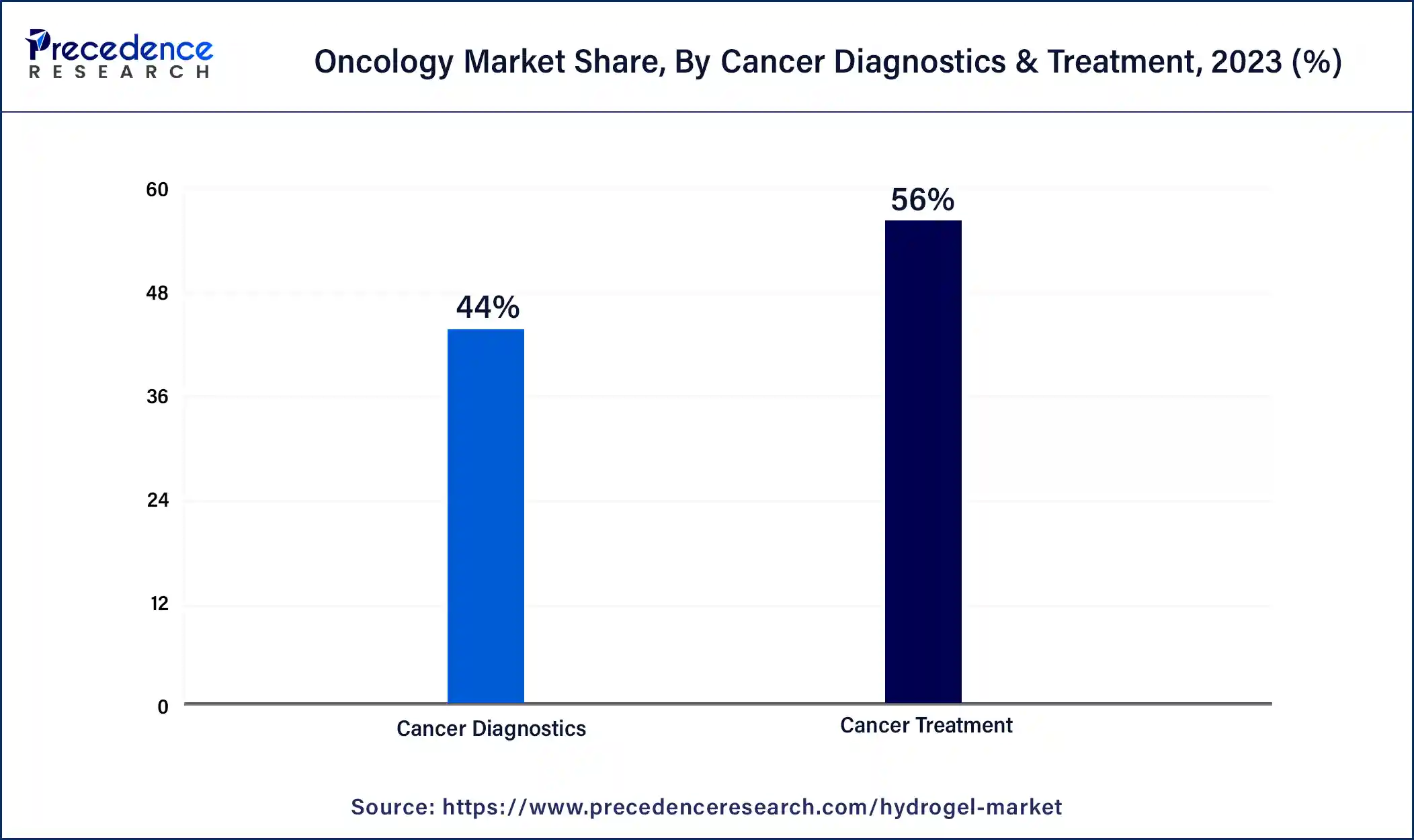
- The cancer treatment segment accounted for 56% of the total market share in 2025.
- By indication, the lung cancer segment registered the maximum market share in 2025.
- The hospital segment is growing at a CAGR of 10.9% from 2026 to 2035.
Market Overview
The oncology market encompasses a broad range of preventive, diagnostic, therapeutic, and rehabilitative services, alongside the research, manufacturing, and commercialization of devices and medicines designed for cancer patients. This field focuses on key areas such as cancer diagnosis, post-treatment therapy monitoring, palliative care for individuals with advanced-stage cancer, cancer screening programs, and clinical research aimed at advancing cancer treatment options. Oncology is generally categorized into four core divisions, clinical oncology, medical oncology, radiation oncology, and surgical oncology, each playing a distinct role in comprehensive cancer care.
How is AI Revolutionizing the Oncology Market?
Artificial intelligence is transforming the oncology sector by driving greater automation and accelerating the development of innovative treatment solutions. AI and machine learning (ML) algorithms enable researchers to analyze vast volumes of medical data, supporting the development of personalized medicines tailored to individual patient conditions. These technologies use advanced computer algorithms to process complex medical data and identify hidden tumor patterns, making the detection of various cancer types faster and more accurate.
Beyond diagnostics, AI and ML are helping physicians make quicker, more informed decisions across screening, diagnosis, and personalized treatment planning. AI is also playing an increasingly important role in strengthening manufacturing and supply chain operations within the oncology sector. Through predictive maintenance capabilities, AI and ML help manufacturers identify potential production defects early, supporting more informed operational decisions. These technologies further enable developers to track proprietary products throughout their entire lifecycle, while also helping optimize cold chain logistics for temperature-sensitive oncology treatments.
Market Outlook
- Industry Growth Overview: The oncology market continues to experience robust growth, driven by rising cancer-related health concerns, growing availability of point-of-care devices and personalized medicines, and expanding cancer research initiatives. This research continues to receive strong backing from government bodies worldwide through targeted funding programs and strategic initiatives.
- Global Expansion: Key industry players continue to expand their global footprint by delivering proprietary oncology products across diverse geographic regions, often through strategic collaborations and mergers and acquisitions. This approach allows companies to reach a broader patient population while strengthening their overall market position on a global scale.
- Sustainability Trends: Sustainability remains an increasingly important focus within the oncology sector, as the industry works to balance advanced, life-extending cancer care with environmental responsibility, financial sustainability, and efficient resource use. Ongoing efforts include reducing the carbon footprint of operating room environments and expanding access to tele-oncology services.
- Startup Ecosystem: The oncology startup ecosystem continues to mature, fueled by rising venture capital investment and rapid technological advancement. Emerging companies are driving innovation across cancer treatment, early diagnostics, and precision medicine. Notable startups making significant strides in this space include Grail, Phrontline Biopharma, Faeth Therapeutics, and ImmunoACT.
Oncology Market Growth Factors
The rising global cancer burden, driven in part by increasing alcohol and tobacco consumption, continues to fuel growth in the global oncology market. According to the International Agency for Research on Cancer (IARC), its GLOBOCAN report recorded approximately 19.3 million new cancer cases and nearly 10 million cancer-related deaths worldwide in 2020. The IARC further projects that new cancer cases could rise by as much as 47 percent globally between 2020 and 2040. This growing disease burden is expected to significantly increase demand for oncology diagnostics and treatment solutions, further accelerating growth across the global oncology market.
In addition, expanding efforts by governments and non-profit organizations to raise awareness around cancer prevention is expected to further support market growth. For example, the World Health Organization's Global Action Plan for the Prevention and Control of Non-Communicable Diseases aims to reduce premature deaths caused by cancer, cardiovascular disease, chronic respiratory disease, and diabetes by approximately 25 percent by 2025. The rising prevalence of chronic diseases more broadly continues to drive stronger global demand for early cancer diagnostics and more effective treatment options.
Rising investment and continued innovation within the biopharmaceutical industry are encouraging the development of new, advanced drugs and therapeutics, further driving demand for oncology treatment and diagnostic solutions. Growing awareness among patients and healthcare providers regarding the availability of oncology-related drugs and diagnostic tools is also expected to support continued growth in the global oncology market. Notably, oncology therapeutics alone account for approximately 20 percent of total global pharmaceutical sales, highlighting the segment's outsized commercial significance. This strong market potential, combined with attractive profit margins, continues to draw increased investment from key industry players looking to expand their presence within the oncology space.
Market Scope
| Report Coverage | Details |
| Market Size in 2025 | USD 250.88 Billion |
| Market Size in 2026 | USD 279.73 Billion |
| Market Size by 2035 | USD 732.45 Billion |
| Growth Rate from 2026 to 2035 | CAGR of 11.31% |
| Largest Market | North America |
| Base Year | 2025 |
| Forecast Period | 2026 to 2035 |
| Segments Covered | Cancer Diagnostics & Treatment, Indication, Region |
| Regions Covered | North America, Asia Pacific, Europe, Latin America, Middle East and Africa |
Segments Insights
Cancer Diagnostics & Treatment Insights
The cancer treatment segment dominated the oncology market in 2025, capturing approximately 56% of the overall market share. This dominance is largely attributed to the continued widespread use of traditional chemotherapy alongside the growing adoption of immunotherapy for cancer treatment worldwide. Patients are increasingly shifting toward targeted therapy and immunotherapy, favoring these options for their greater convenience, effectiveness, and comparatively lower side effects relative to conventional chemotherapy. The ability of targeted therapy to selectively attack cancer cells while sparing healthy tissue, combined with its lower toxicity profile, continues to significantly drive growth within this segment. Additionally, rising awareness among patients regarding the benefits of targeted therapy, hormonal therapy, and immunotherapy is further fueling global demand for these advanced cancer treatment options.
On the other hand, the cancer diagnostics segment is emerging as the most opportunistic area within the oncology market. Growing awareness around cancer as a disease continues to drive stronger global demand for diagnostic solutions, as more patients increasingly prioritize early detection. This rising preference for early diagnosis continues to fuel growth within the cancer diagnostics segment. Additionally, the growing availability of convenient, non-invasive diagnostic tools is expected to further accelerate segment growth throughout the forecast period.
Indication Insights
The lung cancer segment dominated the oncology market in 2025, driven by the rising number of lung cancer cases worldwide. According to the International Agency for Research on Cancer, lung cancer accounted for approximately 1.8 million deaths globally in 2020. It remains the most diagnosed cancer type worldwide, responsible for around 18 percent of all global cancer deaths, and continues to be recognized as the leading cause of cancer-related mortality. The persistently high global prevalence of smoking remains a major factor in driving growth within this segment.
Breast cancer, meanwhile, is expected to be the fastest-growing segment during the forecast period, driven by its rising prevalence among the global female population. According to the IARC, breast cancer surpassed lung cancer in 2020 to become the most diagnosed cancer type worldwide, accounting for approximately 2.3 million new cases, or 11.7 percent of total new cancer diagnoses that year.
Regional Insights
Why Does North America Dominate the Global Oncology Market?
North America dominated the global oncology market in 2025, largely due to the high prevalence of cancer in major markets such as the United States. According to the American Cancer Society, the U.S. recorded over 1.8 million new cancer cases and 606,520 cancer-related deaths in 2020. The most common cancer types across North America include lung, colorectal, breast, and prostate cancer. The region's oncology market is expected to maintain its strong position, supported by well-developed healthcare infrastructure and rising healthcare expenditure. Notably, increased adoption of advanced oncology treatments in the U.S. has contributed to a roughly 29 percent decline in cancer deaths since 1991.
U.S. Oncology Market Size and Growth 2026 to 2035
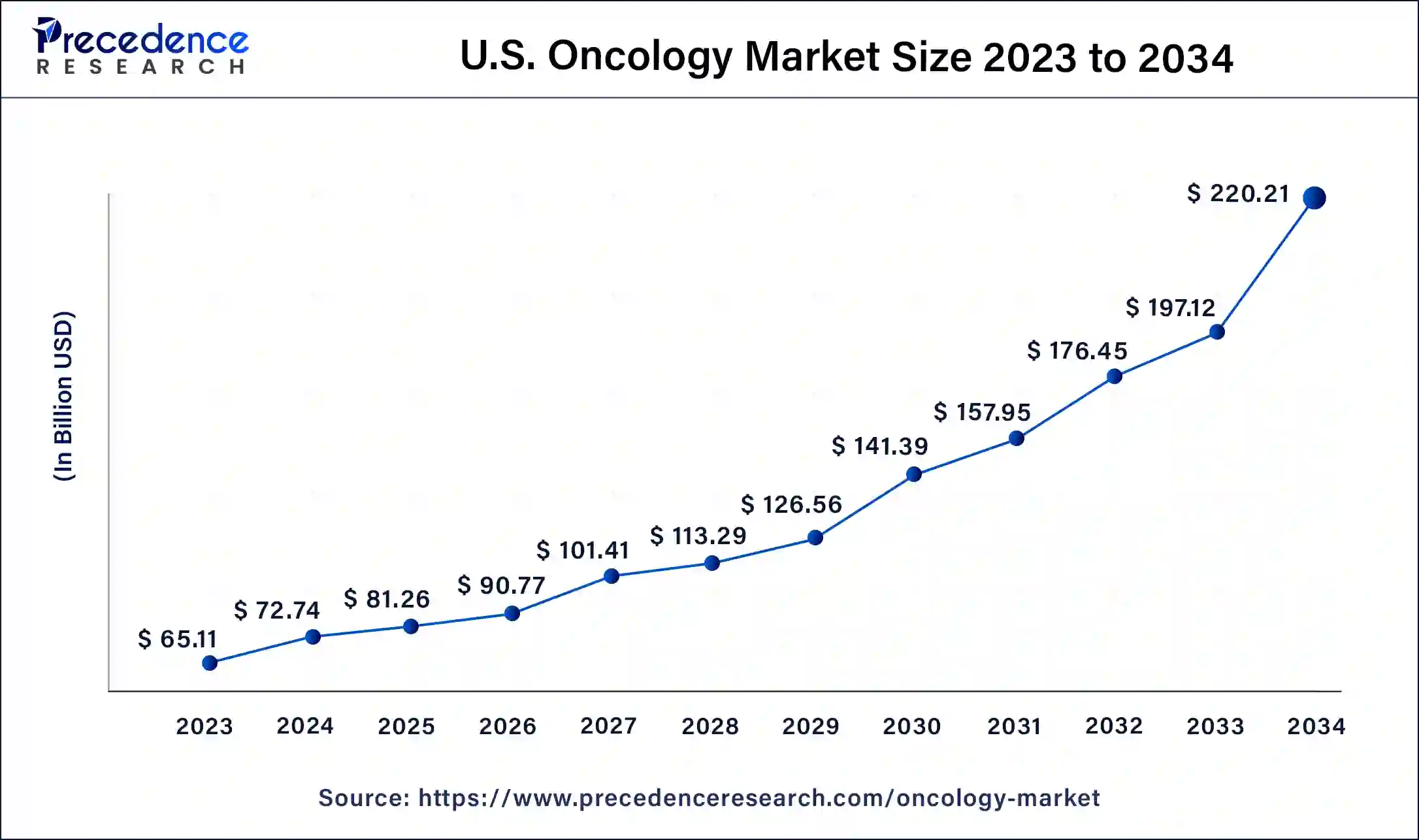
The U.S. oncology market size was estimated at USD 81.26 billion in 2025 and is predicted to be worth around USD 241.69 billion by 2035, at a CAGR of 11.52% from 2026 to 2035.
U.S. Market Trends
CAR-T therapy stands out as one of the most advanced treatments for cancer, increasingly being delivered at outpatient and home settings in the U.S. through telemedicine and remote telehealth monitoring. This shift is helping improve care coordination through AI-powered digital platforms while reducing treatment delays for patients. Other promising advancements shaping the oncology market include antibody-drug conjugates (ADCs) and bispecific antibody therapeutics, both playing an increasingly important role in cancer diagnosis and treatment.
Why is Europe the Most Opportunistic Oncology Market?
Europe is expected to emerge as the most opportunistic market during the forecast period, supported by ongoing technological advancements in cancer diagnostics. The region's growing cancer prevalence, along with rising cancer-related mortality, is expected to further drive growth across the European oncology market in the coming years. According to the European Commission, approximately 2.7 million new cancer cases and around 1.3 million cancer-related deaths were recorded across Europe in 2020.
Germany Market Trends
In Germany, personalized cancer treatment continues to gain momentum, supported by advanced diagnostic tools such as molecular tumor sequencing and next-generation imaging technologies. The country maintains strict certification standards for specialized cancer centers to ensure consistently high-quality treatment. Additionally, the combined use of immunotherapies and antibody-drug conjugates is becoming increasingly important in the treatment of breast cancer and other oncology applications across the country.
What Factors Are Driving the Growth of the Oncology Market in Asia Pacific?
Asia Pacific is expected to witness significant growth in the oncology market during the forecast period. Rising cancer cases across the region continue to drive stronger demand for early diagnosis and effective treatment options, further fueling increased research and development activity within the oncology space. This growing focus is also encouraging stronger collaboration between companies and research institutions aimed at advancing new diagnostic tools and treatment approaches. At the same time, rapidly evolving healthcare sectors across the region are adopting advanced technologies that continue to strengthen both development and production processes. Together, these factors, supported by favorable government policies and regulatory backing, continue to accelerate overall market growth across Asia Pacific.
China Market Trends
China, in particular, is undergoing a rapid shift from traditional oncology drugs toward newer treatment categories such as CAR-T therapy, immunotherapies, and antibody-drug conjugates. This transition has been supported by faster patient access to treatment and improved regulatory pathways for new cancer therapies. At the same time, competition within the traditional generic drugs segment continues to intensify, while Chinese biotech companies increasingly strengthen their global licensing partnerships.
What Are the Driving Factors of The Oncology Market in Latin America?
Latin America is expected to register a significant CAGR over the forecast period, with market growth driven by rising cancer awareness, improved access to diagnostic solutions, and growing preference for private healthcare services. However, high treatment costs and unequal access to care continue to limit broader adoption of more advanced targeted therapies across the region.
Brazil Market Trends
In Brazil specifically, availability of specialized cancer drugs and molecular testing continues to improve steadily. Ongoing investment in dedicated cancer treatment centers has helped strengthen infrastructure, particularly for breast and colorectal cancer care. Regulatory progress is also enabling faster access to innovative oncology products, although disparities remain between public and private healthcare access across the country.
How is the Middle East and Africa Performing in The Oncology Market?
The Middle East and Africa region is also expected to register a significant CAGR during the forecast period. Market growth here continues to be driven by the rising incidence of cancer, ongoing improvements in healthcare infrastructure, and the broader modernization of oncology services. Within the GCC region specifically, demand for advanced cancer treatments and AI-powered diagnostic tools continues to grow at a rapid pace.
Nigeria Market Trends
In Nigeria, ongoing efforts to strengthen investment in pathology services and early cancer detection technologies continue to support improved survival rates and broader regional market growth. Access to advanced radiotherapy equipment is also being scaled up through public-private partnerships. Given the shortage of trained oncologists, healthcare systems are increasingly focused on equipping nursing staff and general practitioners with foundational skills in palliative care and patient support services.
Some Sales Insight Revealing the Strong Growth of Oncology During the Past Few Years are Listed Below:
- In the last five years, 64 oncology new active substances have been launched across the globe
- The cancer treatment segment accounted for around 56% of the global oncology market share in 2020
- About 19.3 million new cancer cases and around 10 million deaths related to cancer were registered in 2020
- New cancer cases are expected to rise by 47% from 2020 to 2040, across the globe
- Approximately 1.8 million deaths were recorded due to lungs cancer in 2020
- Approximately 2.3 million or 11.7% of the new cancer cases were breast cancer in 2020
Competitive Landscape
The global oncology market remains semi-fragmented, shaped by the strong presence of major multinational pharmaceutical companies alongside specialized biotech innovators. Leading pharmaceutical companies such as Roche, Johnson & Johnson, Pfizer, AstraZeneca, Merck & Co., and Bristol-Myers Squibb continue to hold a significant share of the market, driven by their well-established blockbuster drug portfolios. At the same time, specialized biotech firms such as BioNTech, Genentech, and Aurigene Oncology are playing a key role in advancing early-stage research and development pipelines.
Despite continued growth, the oncology market faces several significant challenges, including high treatment costs, a shortage of specialized healthcare professionals, notable geographic disparities in access to specialized care, and the ongoing complexity of clinical trial recruitment. Even so, the future of oncology continues to center around precision medicine, AI-driven diagnostics and therapeutics, and expanding telemedicine capabilities. Emerging treatment approaches, including robotic-assisted surgery and mixed reality (MR) technology for rehabilitation, are expected to further shape the next generation of cancer care.
Oncology Market Companies
- Aegerion Pharmaceuticals Inc.
- Abbvie Inc.
- Ability Pharma
- Acadia Pharmaceuticals Inc.
- Amgen Inc.
- Takeda Oncology
- Aslan Pharmaceuticals Ltd.
- Aspen Pharmacare Holdings Limited.
- Astrazeneca
- Athenex, Inc.
Recent Developments
- In May 2025, to spread awareness about bladder cancer, the 'Kang Bang Cancer Right-Alert Week' campaign was declared last week by the Korean Society of Oncology and the Korean Society of Urology at Samsung Medical Center's Seminar Room 1 on the 23rd of May. This campaign is conducted every year in May to increase awareness as well as public interest in bladder cancer and its risk. (Source: https://www.pharmabiz.com)
- In May 2025, Metropolis Healthcare Limited, led by Ameera Shah, which is India's second-largest and most respected diagnostic laboratory chain, to deal with the rising cancer threat has launched a comprehensive screening panel named as TruHealth Cancer Screen 360, with a goal to transform preventive oncology in India. (Source: https://www.msn.com)
- In May 2025, Imaging Core Lab Services was launched by Bayer under the brand name Centafore. Furthermore, the Centafore, technology, and services of Bayer will be presented in Annual Meeting of the American Society of Clinical Oncology in Chicago (Source: https://www.msn.com)
Segments Covered in the Report
By Cancer Diagnostics & Treatment
- Cancer Diagnostics
- Biopsy
- Imaging
- Immunohistochemistry
- Tumor Biomarkers Test
- In Situ Hybridization
- Liquid Biopsy
- Cancer Treatment
- Targeted Therapy
- Chemotherapy
- Hormonal Therapy
- Immunotherapy
- Others
By Indication
- Lungs Cancer
- Colorectal Cancer
- Breast Cancer
- Liver Cancer
- Bladder Cancer
- Head & Neck Cancer
- Prostate Cancer
- Others
By End-use
- Hospitals
- Diagnostic laboratories
- Diagnostic imaging centers
- Academia
- Specialty clinics
- Others
By Geography
- North America
- U.S.
- Canada
- Europe
- U.K.
- Germany
- France
- Asia Pacific
- China
- India
- Japan
- South Korea
- MEA
- Rest of the World
For inquiries regarding discounts, bulk purchases, or customization requests, please contact us at sales@precedenceresearch.com
Frequently Asked Questions





Ask For Sample
No cookie-cutter, only authentic analysis – take the 1st step to become a Precedence Research client
 Get a Sample
.webp)



 sales@precedenceresearch.com
 Schedule a Meeting
