



Health and Wellness Market Revenue, Leading Companies, Company Technology / Innovation, Diagnostic Testing Volume, Adoption Rates, Pricing Metrics, Supply Chain Performance, Competitive Positioning, and Industry Trends
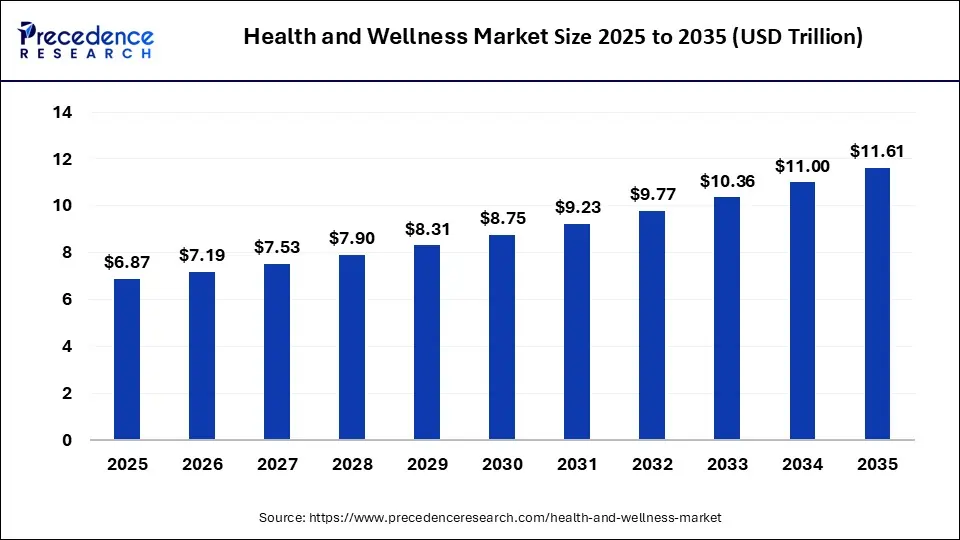
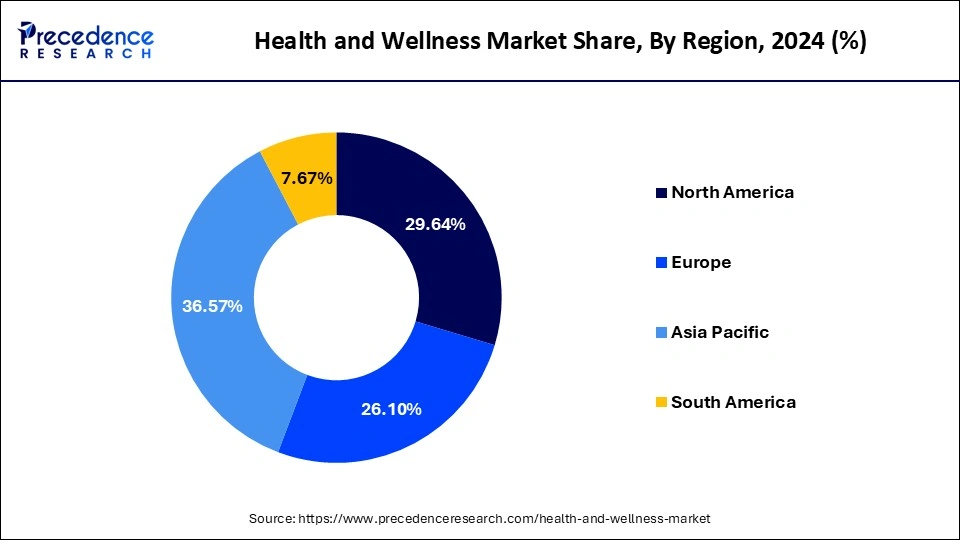
The global health and wellness market is projected to grow from USD 5.02 trillion in 2026 to USD 7.76 trillion by 2035, registering a CAGR of 4.94%. Market growth is driven by factors like rising health awareness, increasing demand for preventive healthcare, personalized nutrition, wellness tourism, wearable health technologies, and AI-powered solutions for disease diagnosis, mental wellness, and real-time health monitoring. The North American region dominated the market in 2025 with a 38% market share due to high consumer spending and advanced healthcare infrastructures. But Asia Pacific is expected to witness the fastest growth, supported by rising health awareness, increasing disposable incomes, greater adoption of digital health and wellness solutions, and a growing focus on preventive healthcare.
Source: https://www.precedenceresearch.com/health-and-wellness-market
 Get a Sample
 Table Of Content


What is the Health and Wellness Market Size?
The global health and wellness market size was estimated at USD 4.79 trillion in 2025 and is predicted to increase from USD 5.02 trillion in 2026 to approximately USD 7.76 trillion by 2035, expanding at a CAGR of 4.94% from 2026 to 2035. Growing consumer interest in health and wellness is increasing demand for products and services that support physical health, appearance, and mental well-being. At the same time, companies are expanding their portfolios across wellness products, personal care, nutrition, fitness, and digital health solutions to meet changing consumer preferences. This broader focus on preventive health and overall well-being is creating new opportunities for market growth.
Key Takeaways
- North America dominated the global market with the largest share of 38% in 2025.
- Asia Pacific is expected to grow at the fastest CAGR during the period.
- By sector, the healthy eating, nutrition and weight loss segment held the largest share of the market in 2025.
- By sector, the wellness tourism segment observed the second largest share in 2025 with a promising growth in the upcoming period.
Market Overview
The health and wellness market is flourishing as consumers are proactively managing their physical and mental well-being. Established categories such as fitness, dietary supplements, and personal care benefit from this shift, while technology is creating new ways for consumers to leverage this. Personalized products and services are also fueling the demand, as consumers increasingly seek solutions that align with their individual health and lifestyle goals. At the same time, sustainability is becoming more important across wellness-related products, particularly as consumers show greater interest in natural, environmentally responsible, and ethically produced offerings. Businesses are responding to these changes through product development, partnerships, personalized services, and other strategies to strengthen consumer engagement. The growing preference for managing health and wellness at home is also creating opportunities for digital platforms, wearable devices, supplements, fitness solutions, and other home-based wellness offerings.
What is the Role of AI in the Health and Wellness Market?
Artificial intelligence is increasingly becoming part of the health and wellness experience, particularly as consumers look for more personalized and convenient ways to manage their well-being. AI-enabled applications can help users track activity, sleep, nutrition, stress levels, and other aspects of their daily health, while providing personalized recommendations based on individual goals and patterns. The technology is also being incorporated into fitness platforms, wearable devices, nutrition programs, and mental wellness applications, making wellness guidance more accessible outside traditional healthcare settings.
AI is also supporting the growing focus on mental and emotional well-being. Digital applications can offer personalized mindfulness exercises, stress-management programs, and other self-guided tools based on user preferences and behavior. As consumers increasingly use digital platforms to monitor and improve different aspects of their well-being, the integration of AI is creating opportunities for more personalized, responsive, and accessible wellness solutions.
Health and Wellness Market Growth Factors
The global health and wellness market is primarily driven by the increased consumer expenditure on wide variety of health and wellness products and services across the globe. The growing concerns around physical and mental diseases such as cancer, depression, anxiety, and numerous others are also playing a significant role in the development of the health and wellness industry. Rising disposable incomes, increased awareness regarding the health and wellness products and services among the consumers, rising government expenditure on the development of sophisticated healthcare infrastructure, and desire for healthy and active lifestyle among the population are several important factors that drives the growth of the global health and wellness market.
The increased demand for healthy products and increased awareness regarding the importance of personal hygiene has boosted the growth of personal care products globally. The sedentary lifestyle of the consumers, busy and hectic schedules, and growing prevalence of various chronic diseases such as asthma, blood pressure, diabetes, cancer, arthritis, and various mental disorders are the major drivers of the health and wellness market. The rising popularity of wellness tourism is expected to significantly contribute to the global health and wellness industry. Wellness tourism includes tourism activities for the physical and mental well-being such as meditating at destinations, practicing yoga, visiting agricultural fields, and various recreational activities that can help rejuvenate.
The integration of digital devices like fitness bands, trackers, and other wearable devices is fueling the growth of this market. Furthermore, the increasing population of beauty influencers is fostering the growth of beauty products. The cosmetics industry is also an exponential contributor to the global health and wellness industry. The rapid growth in sales of men's cosmetics is also boosting the market growth. Another important segment is that of healthy food products. Its heavy consumption by health-conscious consumers is surely contributing to the fast growth of the health and wellness market.
Market Scope
| Report Coverage | Details |
| Market Size in 2025 | USD 4.79 Trillion |
| Market Size in 2026 | USD 5.02 Trillion |
| Market Size by 2035 | USD 7.76 Trillion |
| Growth Rate from 2026 to 2035 | CAGR of 4.94% |
| Dominant Region | North America |
| Fastest Growing Region | Asia Pacific |
| Base Year | 2025 |
| Forecast Period | 2026 to 2035 |
| Segment Covered | Type, Products, Services, and Regions |
| Regions Covered | North America, Europe, Asia-Pacific, Latin America, and Middle East & Africa |
Market Dynamics
Drivers
The rise in the prevalence of chronic lifestyle diseases across the globe is a key factor driving the market
Unhealthy habits, lack of regular exercise, tobacco use and intake of oversaturated fats and artificial sweeteners has resulted in increase in chronic lifestyle diseases. Unhealthy lifestyle leads to higher levels of adverse outcomes, such as hypertension, hyperlipidemia, diabetes, and obesity. Our overall health, physical fitness, and quality of life can all benefit from regular physical activity. Additionally, it lowers our risk of developing chronic illnesses like type 2 diabetes, cardiovascular disease, numerous cancers, stress, anxiety, and Alzheimer's. All these unhealthy habits and conditions have increased the demand for better health and wellness products and services, thus adding to the market growth.
Demand for high-performance ingredients in skincare products and anti-aging facial tools is growing
Consumers are becoming more selective about skincare products, with greater attention being placed on ingredients, product efficacy, and visible results. Rather than choosing products based only on brand or cosmetic appeal, many consumers are looking for formulations that address specific concerns such as fine lines, uneven skin tone, dryness, pigmentation, and loss of skin firmness. This is increasing interest in high-performance ingredients, including antioxidants, peptides, retinoids, hyaluronic acid, and other active compounds used in targeted skincare formulations.
The demand for results-oriented skincare is also supporting the growth of at-home anti-aging facial tools. Devices designed for facial massage, cleansing, skin tightening, light-based treatments, and other beauty applications are gaining attention as consumers look for convenient ways to complement their regular skincare routines. The combination of active-ingredient formulations and technology-enabled beauty tools is creating a more personalized approach to skincare, particularly among consumers who want professional-looking results without relying entirely on salon or clinical treatments.
Product innovation is becoming increasingly important as brands compete to differentiate their offerings. Companies are investing in new formulations, delivery systems, multifunctional products, and easy-to-use facial devices that can be incorporated into everyday routines. The trend is therefore moving beyond traditional anti-aging creams toward broader skincare solutions that combine active ingredients, personalization, convenience, and technology.
Rising demand for thermal & mineral springs and spas
The growing interest in wellness-focused travel is creating opportunities for thermal and mineral springs, spas, and nature-based wellness destinations. Consumers are increasingly looking for travel experiences that combine relaxation with activities focused on physical and mental well-being, including spa treatments, thermal bathing, yoga, mindfulness, and traditional wellness practices. This trend is supporting investment in wellness resorts and destination-based services that offer more comprehensive health and relaxation experiences.
The appeal of thermal and mineral springs also fits into the broader shift toward experiential wellness, where consumers are willing to spend on activities that support relaxation, recovery, and overall well-being. As wellness tourism expands, destinations that combine natural settings with specialized spa and wellness services may benefit from increasing consumer interest in restorative travel experiences.
Restraints
High cost of wellness products and services can limit consumer adoption
The relatively high cost of some health and wellness products and services can limit their adoption, particularly among price-sensitive consumers. Premium supplements, organic and natural products, personalized nutrition programs, fitness services, wellness retreats, and technology-enabled devices often involve higher costs than conventional alternatives. This can make wellness spending more discretionary, especially when consumers have to balance these purchases with essential household and healthcare expenses.
Product costs can also be affected by the sourcing and availability of raw materials. Natural ingredients may have seasonal availability and can experience price fluctuations, while specialized or high-quality ingredients may require more complex sourcing and processing. These factors can increase production costs and ultimately raise prices for consumers. As a result, maintaining product quality while keeping wellness offerings affordable remains a challenge for manufacturers and service providers.
Product safety concerns can affect consumer confidence
Safety concerns associated with certain health, wellness, personal care, and beauty products can create barriers to wider consumer adoption. Ingredients used in supplements, skincare products, cosmetics, and personal care formulations may cause adverse reactions or sensitivities in some users, particularly when products are used incorrectly or when consumers have specific allergies or sensitivities. Concerns about product ingredients and potential side effects can therefore influence purchasing decisions and increase the importance of product safety and transparent labeling.
The growing range of wellness and personal care products also means consumers have more choices, but it can make it difficult to assess product quality, ingredient safety, and the credibility of health-related claims. Manufacturers and brands therefore face increasing pressure to maintain safety standards, provide clear product information, and build consumer trust. Any concerns surrounding product safety or misleading health claims can negatively affect brand reputation and slow adoption within the broader health and wellness market.
Opportunity
Sustainability and premiumization are creating opportunities for personal care and wellness brands
Growing consumer interest in sustainable and higher-quality products is creating opportunities across the health and wellness market. Consumers are increasingly paying attention to product ingredients, sourcing, packaging, environmental impact, and perceived effectiveness when making purchasing decisions. This is supporting demand for organic and natural foods, plant-based products, clean-label formulations, sustainable personal care products, and other wellness offerings positioned around health and environmental responsibility.
Premiumization is also creating opportunities for brands to differentiate their products through higher-quality ingredients, specialized formulations, personalized experiences, and innovative product formats. Manufacturers are responding through new product development, technology partnerships, and strategic collaborations aimed at meeting changing consumer expectations. Brands that can combine product efficacy, convenience, sustainability, and a clear value proposition may be better positioned to capture consumers who are willing to spend more on wellness products that align with their health goals and personal values.
Connected devices are expanding opportunities for personalized wellness
The growing use of wearable and connected devices is creating new opportunities for health and wellness providers to engage consumers beyond traditional fitness and personal care products. Smartwatches, fitness trackers, and other connected devices allow users to monitor activity, sleep, heart rate, exercise performance, and other wellness-related metrics as part of their daily routines. The increasing availability of this information is supporting a more personalized approach to fitness and wellness, with consumers able to track progress and adjust their routines according to individual goals.
The opportunity extends beyond basic activity tracking as technology becomes increasingly integrated with digital wellness platforms, fitness applications, nutrition programs, and remote monitoring services. Companies can use connected-device data to develop more personalized recommendations and services, while consumers benefit from greater convenience and continuous visibility into their wellness habits. This convergence of devices, digital platforms, and personalized services is opening additional opportunities for businesses across fitness, nutrition, preventive wellness, and at-home health management.
Segments Insights
Sector Insights
In the health and wellness market, the healthy eating, nutrition & weight loss segment held the largest share, driven by a growing shift toward preventive healthcare and lifestyle management. Consumers are increasingly prioritizing balanced diets, personalized nutrition plans, and sustainable weight management solutions over short-term fixes. The rise of digital health platforms, fitness apps, and expert-led programs has made nutritional guidance more accessible, while demand for functional foods, plant-based diets, and clean-label products continues to expand. This segment's dominance reflects a broader awareness of the connection between daily dietary habits and long-term physical and mental well-being.
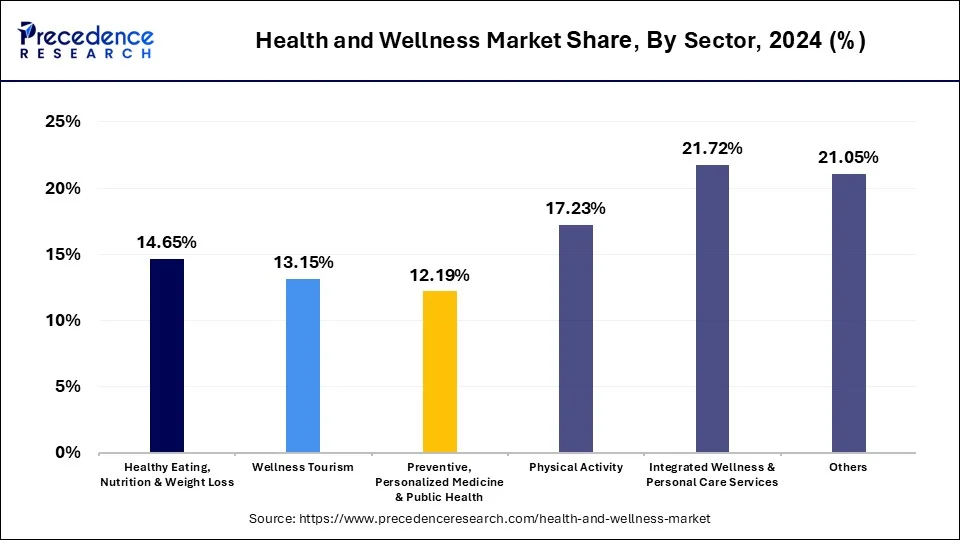
The wellness tourism segment ranked as the second largest, fueled by rising demand for travel experiences that combine relaxation with holistic health benefits. Travelers are seeking more than just leisure, they want restorative experiences such as yoga retreats, spa therapies, detox programs, and mindfulness-focused stays. Destinations offering nature immersion, traditional healing practices, and personalized wellness itineraries are gaining popularity. As stress levels and burnout increase globally, wellness tourism has evolved into a purposeful form of travel, where individuals invest in rejuvenation, self-care, and overall life balance while exploring new environments.
Health and Wellness Market Revenue, By Sector 2023-2025 (USD Billion)
| Sector | 2023 | 2024 | 2025 |
| Healthy Eating, Nutrition & Weight Loss | 909.1 | 962.5 | 1645.4 |
| Wellness Tourism | 817.1 | 864.4 | 1041.6 |
| Preventive, Personalized Medicine & Public Health | 753.6 | 801.2 | 998.3 |
| Physical Activity | 1080.7 | 1132.3 | 753.1 |
| Others | 1365.2 | 1383.5 | 356.2 |
Regional Insights
Why Does North America Dominate the Global Health and Wellness Market?
North America dominated the global health and wellness market in 2025. North America is characterized by increased disposable income amongst consumers, health consciousness, demand for healthy products, and consumer awareness. Moreover, the presence of numerous top industry players and various developmental strategies adopted by them has played a significant role in the growth of the North American health and wellness market.
U.S. Health and Wellness Market Size and Growth 2026 to 2035
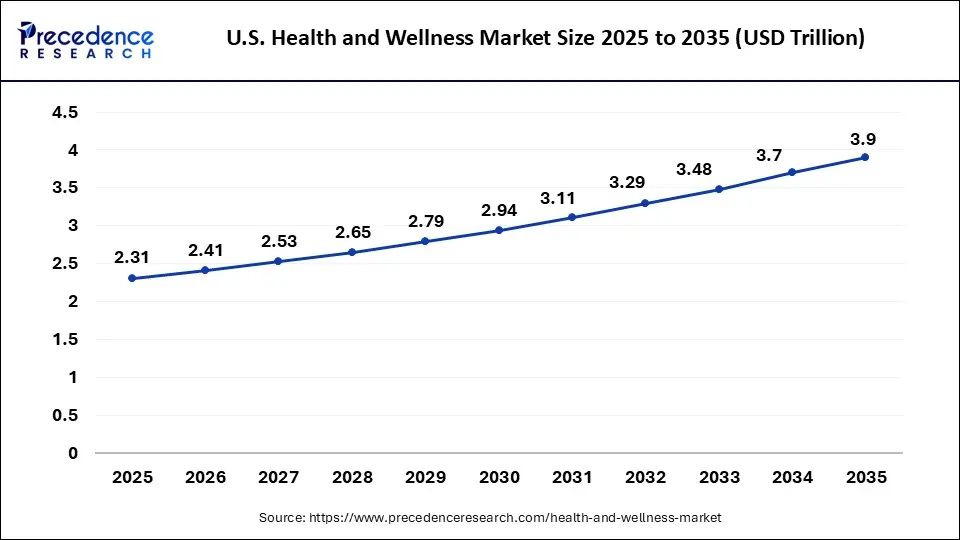
The U.S. health and wellness market size was estimated at USD 1.61 trillion in 2025 and is expected to expand around USD 2.70 trillion by 2035, growing at a CAGR of 5.31% from 2026 to 2035.
U.S. Health and Wellness Market Trends
The USA has seen a significant growth in the health and wellness market due to the growing prevalence of chronic lifestyle diseases. Change in lifestyle and preference for personalized wellness solutions from nutrition to mental health, like diets, exercise programs, supplements drive the growth of the market. The growing demand for wearable devices by consumers to monitor real-time progress and statistics is also driving the demand for the market.
Technological advancements like the integration of health apps, telehealth, and wearable devices are also gaining attention from consumers to improve and monitor health progress in real time. Regular wellness checks due to rising concerns and awareness about health is also boosting the growth of the market in the region. Many corporations are also conducting regular wellness programs at workplaces to maintain the physical and mental health of the working professionals. This is also contributing to the growth of the market.
Why Is Asia Pacific the Fastest-Growing Health and Wellness Market?
Asia Pacific is estimated to be the most opportunistic market during the forecast period in terms of revenue and is estimated to sustain its dominance during the forecast period. Asia Pacific, owing to the presence of huge population, rising urbanization, rapid industrialization, favorable government policies to attract FDIs, and huge potential for growth of various sectors of the health and wellness industry has become the most lucrative market. The major economies such as China, India, Japan, and South Korea are the major contributors to the growth of this market.
India Health and Wellness Market Trends
India has seen increasing growth in the health and wellness market; the growth is driven by to rise in the number of consumers seeking personalized health and wellness solutions and services. The growing awareness about mental health, is resulting in the increasing number of consumers seeking mental health solutions like stress management, depression, and anxiety. This growing trend is driving the growth of the market.
India is an ayurveda hub. There is a rising demand for natural and preventive care, and the demand for AYUSH products and practices is experiencing robust growth in both the national and international markets. This is pushing the market significantly globally.
Europe's Expansion Plans in the Market
Europe is expected to remain an important market for health and wellness, supported by growing interest in medical and wellness tourism, nutrition, mental well-being, and preventive health. Workplace wellness is also gaining importance as companies place greater emphasis on employee health and well-being. Programs focused on stress management, physical activity, mental health support, and counseling are creating additional opportunities for wellness providers and digital platforms.
The growing use of fitness applications and wearable devices is further encouraging consumers to monitor their health and maintain healthier lifestyles. These technologies provide convenient access to information on activity, fitness, and other wellness indicators, supporting the broader shift toward personalized and preventive wellness.
Germany is also contributing to regional market growth through its established market for organic vitamins, nutritional products, and superfoods. Growing interest in natural ingredients and clean-label products is encouraging manufacturers to develop wellness offerings that emphasize product quality, transparency, and sustainability.
Digital and Personalized Wellness Trends in Latin America
The health and wellness market in Latin America is expected to grow steadily as consumers place greater emphasis on fitness, nutrition, preventive health, and personalized wellness solutions. Growing concerns related to obesity and an ageing population are increasing the need for products and services that support healthier lifestyles, including fitness programs, nutritional solutions, and health-monitoring technologies.
The adoption of mobile health platforms and monitoring technologies is also creating opportunities for more accessible and personalized wellness services. Fitness applications, connected devices, nutrition programs, and digital platforms can help consumers track their progress and manage aspects of their health as part of their daily routines.
Mexico is emerging as an important market for functional foods, with growing interest in plant-based proteins and healthier food alternatives. At the same time, personalization is becoming increasingly relevant as consumers seek wellness products and services that align with their individual nutritional and lifestyle needs. Medical and wellness tourism also provides an additional avenue for regional market development by combining travel with health, treatment, and wellness-related services.
Country Level Analysis
- In April 2024, the University of Colorado Boulder (CU Boulder) launched the first U.S. Health Promoting Campuses Week, held from April 21–25. Kat Dailey, Assistant Vice Chancellor for Health Promotion, Education, and Equity, spearheaded the initiative, highlighting the growing emphasis on health promotion and wellness within educational institutions.
- In October 2024, BharatBox, an India-focused metaverse venture, partnered with The Sandbox, Brinc, and GOQii to develop the country's first integrated health and wellness platform within the metaverse. The platform enables users to participate in wellness routines through an immersive digital environment, with engagement incentivized through the Universal Health Token (UHT), a blockchain-based reward system. The initiative reflects the growing integration of digital technologies and immersive platforms into health and wellness experiences.
Health and Wellness Market Companies
- Amway Corp.
- Bayer AG
- Danone
- David Lloyd Leisure Ltd.
- Fitness First
- Herbalife Nutrition Ltd.
- Holland & Barrett Retail Limited
- L'Oreal SA
- Nestlé SA
- Procter & Gamble
- Unilever Plc
- Vitabiotics Ltd.
Recent Developments
- In August 2025, a new Wellness Concierge Service, designed to eliminate common barriers to keep people from scheduling their annual wellness visits, was launched by Impact Health Sharing. From financial concerns to billing confusion, the new service ensures members can access preventive care with ease, with zero out-of-pocket costs
- In July 2025, the flagship report titled “Heal in India: Catalyzing Medical and Wellness Tourism for a Healthier Global Future” was launched by in an effort to elevate India's position on the global healthcare map, the Federation of Hotel and Restaurant Associations of India (FHRAI), in collaboration with KPMG in India.
Segments Covered in the Report
By Sector
- Healthy Eating, Nutrition & Weight Loss
- Dietary Supplements
- Vitamins & Minerals
- Herbal Supplements
- Protein & Nutritional Powders
- Omega-3 & Fatty Acids
- Others
- Weight Loss Programs
- Meal Replacement Plans
- Personalized Diet Programs
- Behavioral & Lifestyle Coaching
- Others
- Functional Foods
- Probiotics & Prebiotics
- Fortified & Enriched Foods
- Plant-Based & Alternative Proteins
- Others
- Dietary Supplements
- Wellness Tourism
- Preventive, Personalized Medicine & Public Health
- Genetic Testing
- Telemedicine
- Health Monitoring Devices
- Others
- Physical Activity
- Fitness Equipment
- Fitness Programs
- Wearable Technology
- Others
- Integrated Wellness & Personal Care Services
- Personal Care & Beauty
- Spas
- Springs
- Mental Wellness
- Others
- Othes
By Region
- North America
- Latin America
- Europe
- Asia-pacific
- Middle and East Africa
For inquiries regarding discounts, bulk purchases, or customization requests, please contact us at sales@precedenceresearch.com
Frequently Asked Questions
Tags





Ask For Sample
No cookie-cutter, only authentic analysis – take the 1st step to become a Precedence Research client
 Get a Sample
.webp)



 sales@precedenceresearch.com
 Schedule a Meeting
